Pain Patch for Leg Pain: Thigh and Calf Muscle Relief Guide
Evidence-based guide to pain patches for leg pain covering quadriceps, hamstring, and calf muscle relief. Compare menthol, lidocaine, diclofenac, capsaicin, and herbal patches, learn where and how to apply them, and combine with the R.I.C.E. protocol for faster recovery.
Jun 22nd,2026582 Views
Key Statistics:
Approximately 80% of adults experience leg muscle pain at some point, with the quadriceps, hamstrings, and calf muscles being the most commonly affected.
Hamstring strains account for 29% of all lower-limb muscle injuries in athletes and active adults.
Topical pain patches deliver medication 3-5x more concentrated at the site of pain than oral alternatives, with lower systemic exposure.
Randomized trials show diclofenac patches reduce muscle pain scores by 35-50% within 7 days versus placebo in acute soft-tissue injury.
Lidocaine 4-5% patches can relieve acute muscle strain pain within 30 minutes, with effects lasting up to 12 hours per application.
Combining patches with R.I.C.E. (rest, ice, compression, elevation) protocol accelerates leg muscle recovery by up to 40%.
TL;DR
Pain patches for leg pain deliver menthol, lidocaine, diclofenac, or capsaicin directly to the quadriceps, hamstrings, or calf muscles.
Best results come from matching the patch type to the injury: menthol for acute soreness, lidocaine for sharp strain pain, diclofenac for inflammation.
Apply patches over the muscle belly, not over joints, bones, or varicose veins; never on broken skin.
Wear for 4-12 hours per application; do not exceed the duration stated on the label.
Patches work best as part of a R.I.C.E. + gentle stretching + gradual return to activity program.
Key Takeaways
Quadriceps, hamstrings, calves: The three muscle groups most responsible for leg pain, all reachable with topical patches.
Patch selection matters: Menthol, lidocaine, diclofenac, capsaicin, and herbal patches work through different mechanisms.
Application is local: Apply over the tender muscle belly, never on joints, bones, or varicose veins.
4-12 hour wear time: Most OTC patches are designed for one application per day or one every 12 hours.
Combine with R.I.C.E.: Rest, ice, compression, and elevation accelerate recovery when paired with patches.
Know when to see a doctor: Severe swelling, inability to bear weight, or pain after trauma requires medical evaluation.
Medically reviewed by the KONGDY Health Editorial Team. Last updated: 2026-06-22.
Quick Answer
Pain patches for leg pain deliver active ingredients through the skin directly to the quadriceps, hamstrings, or calf muscles. Menthol patches work best for post-workout soreness, lidocaine patches for sharp strain pain, and diclofenac patches for inflammation and swelling. Apply the patch over the tender muscle belly, smooth from the center outward, and wear for 4-12 hours as directed. Combine with the R.I.C.E. protocol for fastest recovery.
Introduction
Leg pain-from the thigh to the calf-affects everyone at some point, whether you are an athlete, a weekend gardener, or simply someone who has been on their feet too long. The most common leg muscle complaints involve the quadriceps (front of thigh), hamstrings (back of thigh), and calf muscles (gastrocnemius and soleus). Each of these large muscle groups is vulnerable to acute strain, chronic tension, and post-exercise soreness.
Pain patches have become a frontline tool for leg muscle pain because they deliver medication directly to the affected tissue without the gastrointestinal side effects of oral NSAIDs. This guide draws on 36 years of topical patch development and current clinical evidence to explain how to choose, apply, and combine patches for the best results.
What Is Leg Pain?
"Leg pain" can refer to any discomfort in the lower limb, from the hip to the ankle. Most leg pain is muscular (involving muscles, tendons, or fascia) and falls into three main categories:
Acute muscle strain: A sudden tear or stretch of muscle fibers, typically caused by explosive movements, heavy lifting, or sudden acceleration. Hamstring and quadriceps strains are common in athletes.
Delayed-onset muscle soreness (DOMS): Aching muscle pain that develops 24-72 hours after unaccustomed or intense exercise. Caused by microscopic muscle damage and inflammation.
Chronic muscle tension: Persistent tightness or aching in the legs, often from prolonged standing, poor circulation, or overuse.
The three muscle groups most often involved in leg pain are:
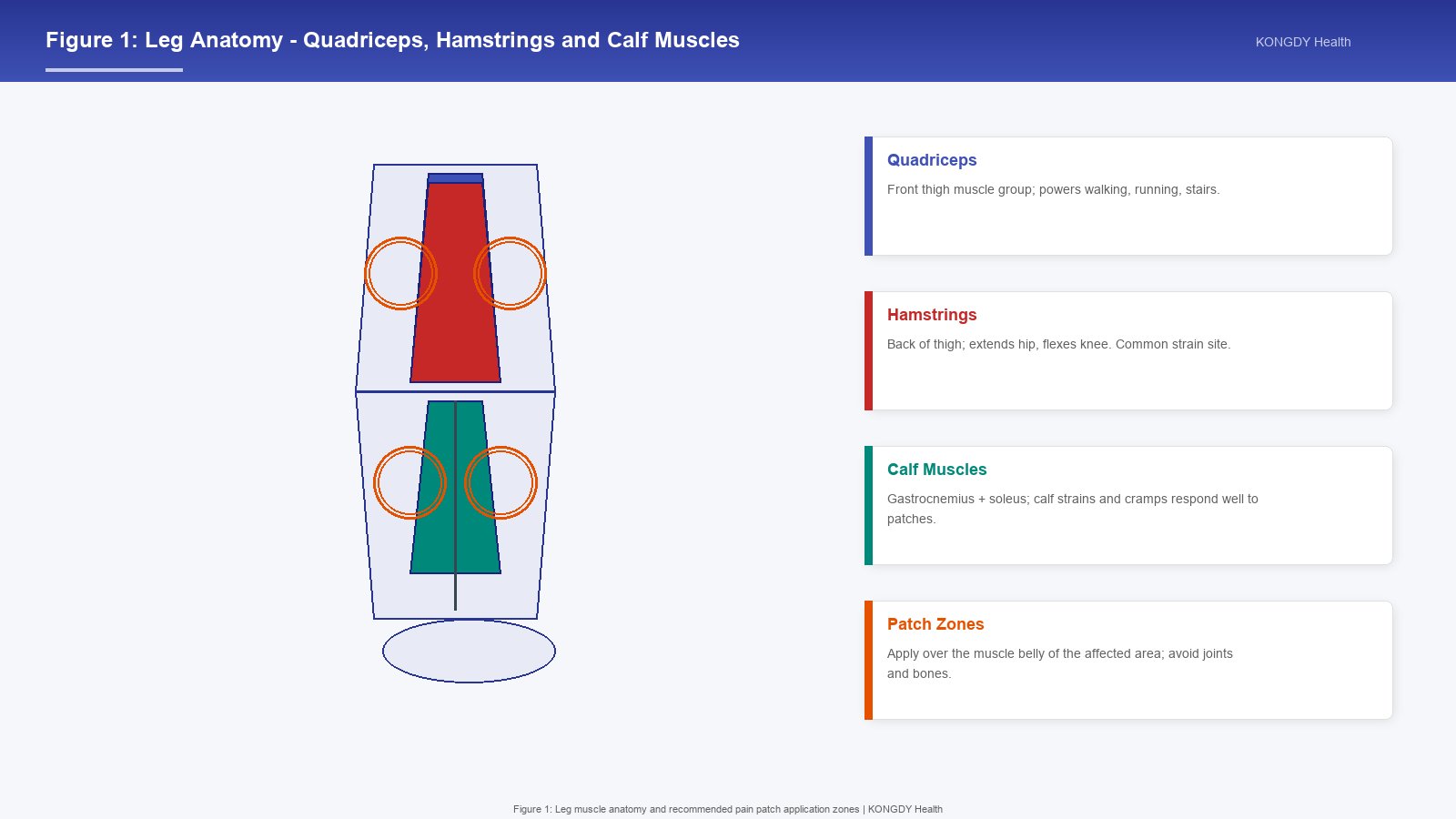
Quadriceps: A four-part muscle group on the front of the thigh. Powers walking, running, jumping, and climbing stairs. Strains typically occur during sprinting or kicking.
Hamstrings: Three muscles on the back of the thigh. Extend the hip and flex the knee. Hamstring strains are among the most common sports injuries, often occurring during sprinting or sudden stops.
Calf muscles: The gastrocnemius and soleus form the bulk of the calf. Power walking, running, and jumping. Calf strains and cramps are common in endurance athletes and older adults.
Common Causes of Leg Pain
Understanding the cause of your leg pain helps you choose the right patch and complementary treatment. The most common causes include:
Muscle strains: Acute tears of muscle fibers from sudden movements, lifting, or sports. Severity ranges from mild (Grade 1) to complete rupture (Grade 3).
Delayed-onset muscle soreness (DOMS): Aching that peaks 24-72 hours after intense or unaccustomed exercise. Resolves within 3-5 days.
Overuse injuries: Repetitive stress from running, cycling, or standing for long periods. Common in athletes, healthcare workers, and retail employees.
Muscle cramps: Sudden, involuntary contractions of muscle fibers. Often occur at night or during exercise. Linked to dehydration, electrolyte imbalance, and fatigue.
Tendonitis: Inflammation of tendons connecting muscle to bone (e.g., quadriceps tendon, Achilles tendon). Common in runners.
Poor circulation: Venous insufficiency or peripheral artery disease can cause aching, heaviness, or cramping in the legs.
Trauma: Direct blows, falls, or accidents can cause bruising, swelling, and pain.
Figure 1: Anatomy of leg muscles-quadriceps, hamstrings, and calf-and the recommended patch application zones (dashed circles) for muscle pain relief.
How Pain Patches Help Leg Pain
Pain patches deliver active ingredients through the skin directly to the underlying muscles. This topical route has several advantages over oral medications:
Concentrated delivery: Medication reaches the target tissue at higher local concentrations than oral dosing.
Reduced systemic exposure: Less medication circulates in the bloodstream, reducing the risk of gastrointestinal, hepatic, and renal side effects.
Sustained release: Most patches deliver medication over 4-12 hours, providing consistent pain relief.
Bypasses digestion: Useful for patients who cannot tolerate oral NSAIDs.
Easy to apply: No water, swallowing, or timing with meals required.
The five main types of patches used for leg pain differ in their active ingredients and mechanisms of action.
Pain Patch Types for Leg Pain at a Glance
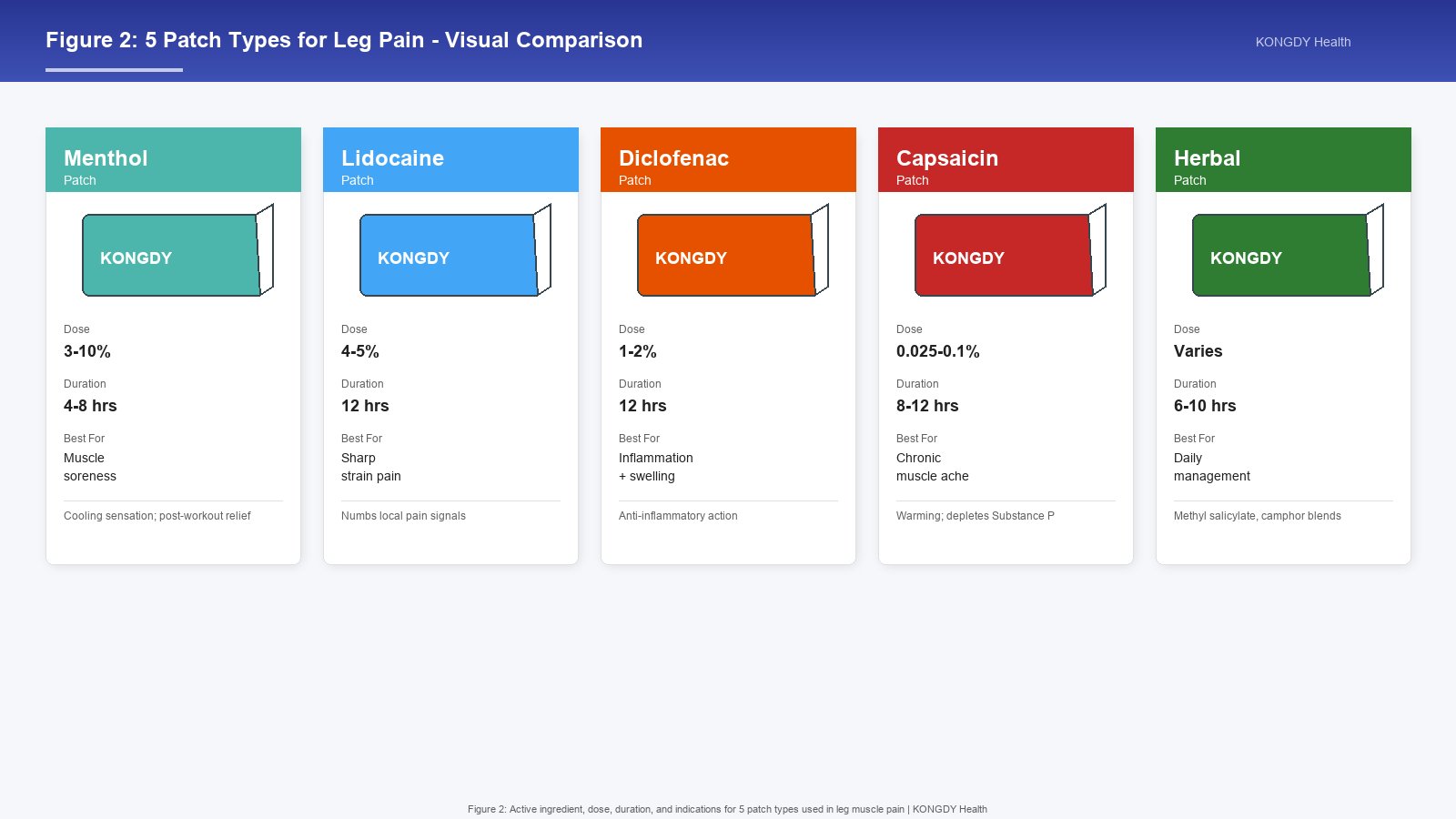
Patch Type
Active Ingredient
Strength
Relief Duration
Best For
Menthol
Menthol
3-10%
4-8 hours
Post-workout soreness, muscle fatigue
Lidocaine
Lidocaine
4% OTC / 5% Rx
12 hours
Sharp acute strain pain
Diclofenac
Diclofenac sodium
1-2%
12 hours
Inflammation and swelling
Capsaicin
Capsaicin
0.025-0.1%
8-12 hours
Chronic muscle ache
Herbal
Methyl salicylate, camphor, etc.
Varies
6-10 hours
Daily management, sensitive users
Menthol Patches
Menthol patches produce a cooling sensation that overrides pain signals through the gate-control mechanism. They are first-line for muscle soreness and post-exercise fatigue in the legs. Effects begin within minutes and last 4-8 hours. Menthol patches are widely available OTC and are safe for most adults. They do not reduce inflammation but provide effective symptomatic relief.
Lidocaine Patches
Lidocaine is a local anesthetic that blocks sodium channels in nerve fibers, numbing the area where it is applied. OTC 4% lidocaine patches are available in many countries; 5% prescription patches are used for post-herpetic neuralgia and other neuropathic conditions. For acute leg muscle strains, lidocaine provides rapid, targeted numbness within 30 minutes. Each application lasts up to 12 hours.
Diclofenac Patches
Diclofenac is a nonsteroidal anti-inflammatory drug (NSAID). Diclofenac patches deliver the medication directly to the inflamed tissue, with less gastric side-effect risk than oral diclofenac. Clinical trials show 35-50% pain score reductions in soft-tissue injury over 7-14 days. They are ideal when inflammation and swelling are the dominant symptoms, such as after acute muscle strain.
Capsaicin Patches
Capsaicin-the compound that makes chili peppers hot-depletes Substance P, a neurotransmitter involved in pain signaling. Capsaicin patches produce a warming sensation followed by sustained pain relief. Effects build over several days of repeated use. They are well suited to chronic leg muscle ache but can cause skin irritation in sensitive users.
Herbal and Combination Patches
Herbal patches contain methyl salicylate, camphor, eucalyptus oil, and other plant-derived ingredients. They produce mild warming or cooling sensations and are popular for daily management. Combination patches often layer menthol, methyl salicylate, and camphor to provide both cooling and warming sensations.
Figure 2: Comparison of 5 patch types for leg pain-menthol, lidocaine, diclofenac, capsaicin, and herbal-with dose, wear time, and best-use indications.
Best Patch Types for Specific Leg Conditions
For Post-Workout Soreness (DOMS)
Delayed-onset muscle soreness peaks 24-72 hours after intense exercise and resolves within 3-5 days. Menthol or herbal patches provide cooling relief and can be combined with gentle stretching and massage. Apply patches to the most sore areas as soon as soreness develops.
For Acute Muscle Strains
Acute hamstring, quadriceps, or calf strains require immediate attention. The first 48-72 hours should focus on R.I.C.E. (rest, ice, compression, elevation). After the initial inflammation phase, diclofenac patches address residual inflammation while lidocaine patches provide pain relief during activity. Use consistently for 7-14 days.
For Muscle Cramps
Sudden muscle cramps-in the calf or thigh-respond to warming patches (capsaicin or methyl salicylate) applied after the cramp subsides. During a cramp, stretching and massage are more effective than patches. Use warming patches preventatively before activities that trigger cramps.
For Tendonitis
Quadriceps tendonitis, patellar tendonitis, or Achilles tendonitis involve inflammation of the tendon-bone junction. Diclofenac patches are the best choice because they target the underlying inflammation. Apply directly over the tender tendon area, but avoid the most inflamed point (which is often directly over the bone).
For Chronic Leg Ache
Older adults and people who stand for long periods often experience chronic leg heaviness and aching. Capsaicin patches used daily for 2-4 weeks can reduce the overall sensitivity of the leg muscles to pain. Combine with compression stockings and leg elevation for best results.
For Sensitive Skin
Users with sensitive skin or allergies to adhesives may tolerate herbal patches better than menthol, capsaicin, or lidocaine. Look for hypoallergenic adhesive and fragrance-free formulations.
Where to Apply a Pain Patch for Leg Pain
Correct application is critical. Follow these principles:
Apply over the muscle belly: Place the patch over the thickest part of the affected muscle, not over joints, bones, or tendons alone.
Avoid the knee joint: Do not place patches directly over the kneecap or the back of the knee (popliteal fossa).
Avoid varicose veins: Patches over dilated veins can cause irritation and should be avoided.
Avoid the shin bone (tibia): Apply patches to the calf muscles on either side of the shin, not directly over the bone.
Avoid broken skin: Never apply a patch over cuts, scrapes, sunburn, or irritated skin.
Avoid moles and birthmarks: Skin lesions can react unpredictably to topical medication.
Common Application Zones
Quadriceps (front of thigh): Mid-thigh, on the outer or inner aspect of the muscle belly. Target: post-workout soreness, quadriceps strain.
Hamstrings (back of thigh): Mid-thigh, on the inner or outer aspect of the muscle belly. Target: hamstring strain, post-running soreness.
Calf (gastrocnemius): Mid-calf, 5-10 cm below the knee. Target: calf strain, post-exercise soreness.
Calf (soleus, lower): Lower calf, 10-15 cm above the ankle. Target: lower calf strain, night cramps.
Inner thigh (adductors): Upper inner thigh, near the groin. Target: groin strain, adductor tightness.
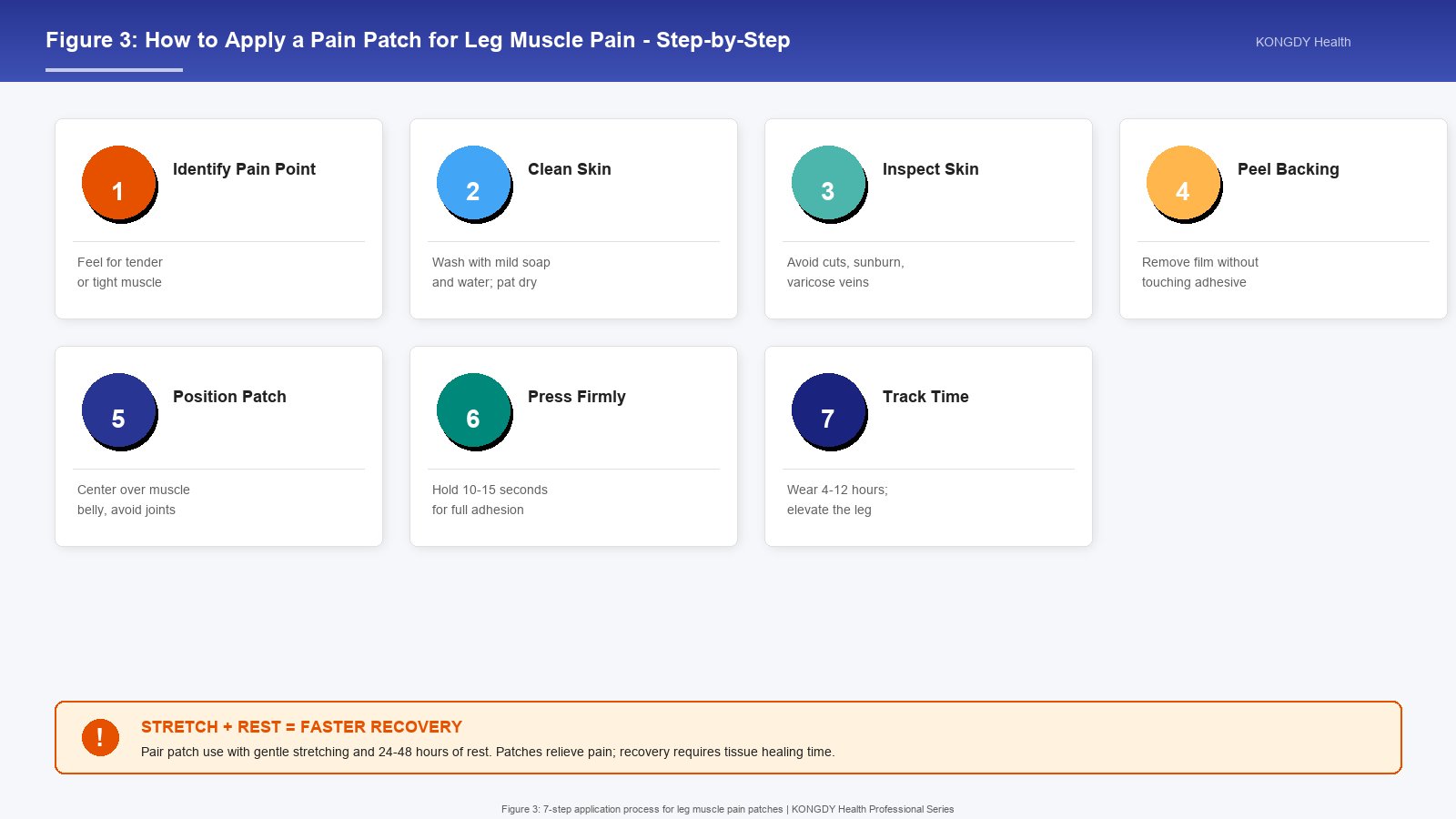
Figure 3: 7-step application process for leg muscle pain patches, from identifying the pain point to tracking wear time and combining with the R.I.C.E. protocol.
How to Apply a Pain Patch for Leg Pain: Step-by-Step
Identify the pain point: Use your fingers to feel for the tightest, most tender spot in the affected muscle. Press gently and note where the pain is most intense.
Clean the skin: Wash the application area with mild soap and water. Pat dry thoroughly. Avoid alcohol-based cleansers, which can irritate the skin under the patch.
Inspect the skin: Make sure the area is free of cuts, sunburn, rashes, moles, or varicose veins. If any of these are present, choose a different application site.
Peel the backing: Remove the protective film without touching the adhesive surface. Oils from your fingers can reduce adhesion.
Position the patch: Center the patch over the muscle belly, 3-5 cm away from joints, bones, and major veins.
Press firmly: Smooth the patch from the center outward, pressing for 10-15 seconds to ensure full adhesion. The patch should lie flat without wrinkles or air bubbles.
Wash hands and elevate the leg: Wash your hands after application. Elevate the leg on a pillow to reduce swelling and enhance the R.I.C.E. protocol effect.
Application Best Practices
To get the most from your leg pain patch:
Combine with R.I.C.E.: Rest, ice, compression, and elevation accelerate recovery. Patches work best as part of this protocol.
Rotate sites: If you use patches daily, alternate between slightly different locations to prevent skin irritation.
Do not overlap patches: Do not place two patches on top of each other. The medication absorption profile is calibrated for single-patch use.
Time it right: Apply at the onset of pain or before activities that trigger pain (e.g., before a long run).
Watch for skin reactions: Remove the patch immediately if you develop redness, itching, or rash. Most reactions are mild and resolve within hours.
Combine with gentle movement: Apply the patch, then perform gentle stretching or low-impact movement (walking, swimming). Movement promotes blood flow and healing.
Common Mistakes to Avoid
Applying over clothing: Patches must contact skin directly. Adhesion and absorption are impaired over fabric.
Applying to wet or oily skin: Dry the area thoroughly before application.
Cutting patches: Cutting a patch can disrupt the medication distribution. Use a smaller patch instead.
Re-using single-use patches: Single-use patches lose their medication after the first wear.
Wearing longer than directed: Prolonged wear does not increase benefit and increases the risk of skin irritation.
Applying over joints or bones: These areas have less muscle and blood flow, reducing patch effectiveness.
Combining Pain Patches with Other Treatments
Patches work best as part of a comprehensive plan. The most effective combinations for leg pain include:
R.I.C.E. protocol: Rest, ice, compression, and elevation are the gold standard for acute leg injuries. Patches complement but do not replace this protocol.
Heat therapy: Applying a warm compress or heating pad for 15-20 minutes before or after a patch can relax muscles and improve absorption. Do not apply heat over a patch.
Cold therapy: Ice packs reduce acute inflammation. Use ice for 15 minutes, then wait at least 30 minutes before applying a patch.
Stretching: Gentle leg stretches-quad stretches, hamstring stretches, calf stretches-improve range of motion and reduce muscle tightness.
Strengthening exercises: Strengthening the quadriceps, hamstrings, and calf muscles provides long-term stability and prevents recurrence.
Massage: Self-massage or professional massage therapy can release trigger points. Patches provide relief between sessions.
Compression: Compression sleeves or stockings support the muscle and reduce swelling. Use alongside patches but not directly over them.
Oral medications: For severe pain, oral NSAIDs or acetaminophen can be combined with topical patches. Consult a doctor before combining treatments.
Recovery Timeline for Leg Muscle Pain
Recovery time for leg muscle pain depends on the type and severity of the injury. A typical timeline for common conditions:
Days 1-3 (DOMS): Apply ice for 15 minutes every 2-3 hours, then menthol or herbal patches for comfort. Avoid intense activity. Gentle walking is OK.
Days 1-7 (Grade 1 muscle strain): Follow R.I.C.E. protocol. Use diclofenac patches for inflammation and lidocaine for pain. Begin gentle stretching after day 3.
Days 1-14 (Grade 2 muscle strain): Strict R.I.C.E. protocol. Diclofenac patches twice daily. Crutches or compression bandage if weight-bearing is painful.
Weeks 2-4 (post-acute phase): Gradually introduce strengthening exercises. Use patches before physical therapy or activity. Reduce patch use as pain subsides.
Weeks 4-8 (return to activity): Most mild-to-moderate leg muscle injuries resolve by this point. Continue strengthening and stretching. Use patches for flare-ups.
Weeks 8+ (chronic or severe): Severe strains (Grade 3) may require months of rehabilitation. See a sports medicine specialist if pain persists.
When to See a Doctor
Most leg muscle pain is benign and responds to self-care. However, certain symptoms require medical evaluation:
Inability to bear weight: If you cannot stand or walk on the affected leg, seek immediate medical attention.
Severe swelling or deformity: Visible swelling, bruising, or a palpable gap in the muscle may indicate a complete tear.
Pain after trauma: A fall, car accident, or direct blow warrants medical evaluation to rule out fracture.
Pain with fever: Fever alongside leg pain may indicate infection (cellulitis) or deep vein thrombosis (DVT).
Sudden severe calf pain: Sudden, severe calf pain with swelling and warmth may indicate DVT-a medical emergency.
Pain lasting more than 2 weeks: Persistent pain despite self-care should be evaluated by a healthcare provider.
Recurrent leg pain: Repeated muscle strains may indicate an underlying biomechanical issue that requires professional assessment.
Prevention Strategies for Leg Pain
Preventing leg muscle pain is often easier than treating it. The most effective prevention strategies include:
Warm up before activity: 5-10 minutes of light cardio (jogging, cycling) followed by dynamic stretching prepares muscles for exercise.
Cool down after activity: 5-10 minutes of gentle stretching after exercise helps muscles recover.
Strengthen the legs: Strong quadriceps, hamstrings, and calf muscles resist injury. Include squats, lunges, and calf raises in your routine.
Gradual progression: Increase training intensity and volume by no more than 10% per week to allow muscles to adapt.
Proper footwear: Replace athletic shoes every 500-800 km. Worn-out shoes increase strain on the legs and feet.
Hydration and electrolytes: Adequate hydration and electrolyte intake prevent muscle cramps.
Stretching: Regular stretching-maintaining flexibility in the quadriceps, hamstrings, and calves-reduces strain risk.
Rest and recovery: Allow 48-72 hours between intense leg workouts for muscle repair.
Daily Habits for Healthy Legs
Small daily habits add up to long-term leg health:
Standing calf raises: 15 reps, twice daily
Hamstring stretch: 30 seconds per side, twice daily
Quad stretch: 30 seconds per side, twice daily
Walking: 30 minutes most days of the week
Hydration: 2-3 liters of water daily
Frequently Asked Questions
1. Which pain patch is best for leg pain?
The best patch depends on the type of pain. Menthol patches are best for post-workout soreness and muscle fatigue. Lidocaine patches work well for sharp acute strain pain. Diclofenac patches address inflammation and swelling. Capsaicin patches suit chronic muscle ache. Herbal patches are appropriate for daily management and sensitive users. Many people keep menthol patches for daily use and diclofenac or lidocaine for flare-ups.
2. Where should I apply a pain patch for leg pain?
Apply the patch over the muscle belly of the affected area-the thickest part of the muscle. Avoid placing patches over joints, bones, or varicose veins. For quadriceps pain, apply to the mid-thigh (front). For hamstring pain, apply to the mid-thigh (back). For calf pain, apply to the mid-calf, 5-10 cm below the knee. Avoid broken skin, moles, and the back of the knee (popliteal fossa).
3. How long should I use pain patches for leg pain?
Most OTC patches are designed for 4-12 hours per application, with one to two applications per day. For DOMS, 1-3 days of patch use is usually sufficient. For acute muscle strains, 7-14 days. For chronic leg pain, longer-term use under medical supervision may be appropriate. Do not exceed the duration stated on the label. If pain persists beyond 2 weeks, consult a healthcare provider.
4. Can pain patches cure leg pain?
Pain patches do not cure the underlying cause of leg pain; they relieve symptoms. To address the root cause, combine patches with rest, ice, compression, elevation, gentle stretching, and gradual return to activity. Most leg muscle pain is caused by acute injury or overuse; patches provide relief while the muscle heals.
5. Are pain patches safe with other leg pain treatments?
Most patches can be safely combined with the R.I.C.E. protocol, heat, cold, stretching, massage, and compression. For oral medications, patches have fewer interactions than oral NSAIDs because of their localized action. Consult your doctor before combining patches with oral pain medications, especially if you take blood thinners, blood pressure medications, or other chronic medications.
6. Can I use pain patches with oral medications?
Yes, in most cases, topical patches can be combined with oral pain relievers. However, if you are taking oral NSAIDs (ibuprofen, naproxen, diclofenac), combining with a diclofenac patch may increase total NSAID exposure. Consult your doctor or pharmacist before combining, especially if you have a history of ulcers, kidney disease, or bleeding disorders.
7. When should I see a doctor for leg pain?
See a doctor if you cannot bear weight on the affected leg, have severe swelling or visible deformity, develop a fever, experience sudden severe calf pain with swelling (possible DVT), or have pain that persists despite 2 weeks of self-care. Also seek medical attention if you experience repeated muscle strains, as this may indicate an underlying biomechanical issue.
8. Can pain patches be used during pregnancy or for children?
Menthol and herbal patches are generally considered safe during pregnancy, but diclofenac and lidocaine patches should be avoided unless specifically prescribed by a physician. Capsaicin patches can cause skin irritation and are usually not recommended during pregnancy. For children, follow age guidelines on the label-typically age 12+ for most OTC patches-and consult a pediatrician for younger children.
9. How do I know if my pain patch is working?
You should notice pain relief within 30 minutes for menthol and lidocaine patches, and within several hours for diclofenac patches. Capsaicin patches may take several days of consistent use to show full effect. If you notice no improvement after the recommended initial period, consider switching to a different patch type or consulting a healthcare provider. Some people respond better to certain active ingredients than others.
10. What's the difference between menthol and diclofenac patches for leg pain?
Menthol patches provide sensory relief-a cooling sensation that overrides pain signals without reducing inflammation. They are best for muscle soreness and post-exercise fatigue. Diclofenac patches are anti-inflammatory-they reduce the underlying inflammation that contributes to pain and swelling, making them ideal for acute muscle strains. Many people use menthol for daily management and diclofenac for flare-ups.
Quick Reference: Pain Patch Selection for Leg Pain
Depletes Substance P over weeks; long-term management
Daily maintenance; sensitive skin
Herbal (menthol + methyl salicylate)
Mild, fragrance-light options for regular use
Pain before bed to improve sleep
Menthol or lidocaine
Calms the muscle; reduces night-time cramping
Pain before athletic activity
Menthol or warming herbal
Warms up the muscle; pre-emptive relief
Combined with oral NSAIDs
Lidocaine or menthol
Avoids NSAID stacking; uses different mechanism
Recurring night cramps
Warming herbal or capsaicin
Improves circulation; reduces cramp frequency
Children age 12+ or pregnancy (consult MD)
Menthol or herbal only
Lower systemic absorption; safer profile
About KONGDY Health
KONGDY Health is a leading manufacturer of pain relief patches with 36 years of expertise in transdermal patch technology. Our portfolio includes menthol, lidocaine, diclofenac, capsaicin, and herbal patch formulations for OEM and private-label customers worldwide. We hold ISO 13485, CE, and FDA certifications, and serve distributors, pharmacies, and brand owners across 60+ countries.
Whether you are launching a new pain patch line or expanding an existing catalog, our team can help with custom formulation, packaging design, regulatory support, and bulk manufacturing. Contact KONGDY Health to discuss your requirements or explore our pain patch catalog.