Pain Patch for Neuropathy: Nerve Pain Relief Guide
Evidence-based guide to pain patches for neuropathy. Compare patch types, learn application areas, and find relief for nerve pain with KONGDY's expert advice.
Jun 11th,2026537 Views
Key Statistics:
20 million+ Americans live with peripheral neuropathy
30% of diabetes patients develop diabetic neuropathy
36 years of patch expertise at KONGDY
60-70% of diabetics have some neuropathy
$10B+ annual cost in US neuropathy care
TL;DR
Lidocaine patches are first-line for neuropathic pain relief
Capsicum patches work for chronic nerve pain over time
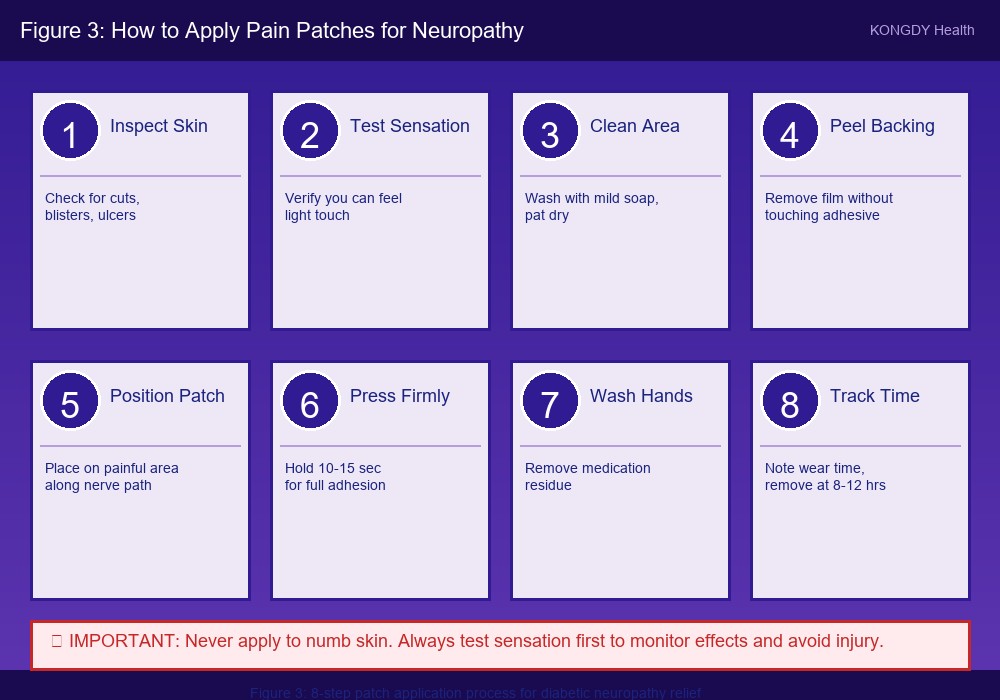
Apply patches along nerve pathways, not on numb skin
Combine with blood sugar control, B vitamins, and exercise
Severe neuropathy needs comprehensive medical care
Key Takeaways
Lidocaine is gold standard: 4-5% lidocaine patches provide direct numbing of overactive nerves with minimal systemic effects.
Capsicum offers long-term relief: By depleting substance P, capsaicin patches reduce nerve pain signaling over weeks of use.
Menthol provides quick comfort: Cooling sensation offers short-term relief during flares but does not treat underlying nerve dysfunction.
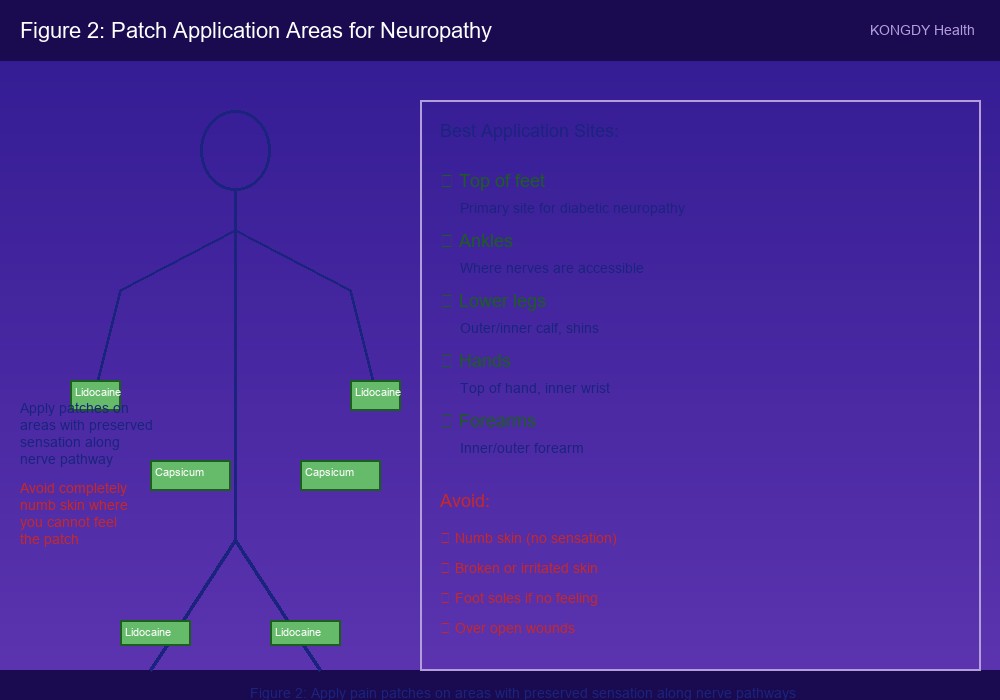
Placement matters: Patches should go on areas with preserved sensation along the nerve pathway—not on completely numb skin.
Combination therapy wins: Patches work best alongside treating the root cause (diabetes, B12 deficiency, etc.).
Medically reviewed by the KONGDY Health Editorial Team. Last updated: 2026-06-11.
Quick Answer
Pain patches for neuropathy deliver numbing or desensitizing medication through the skin to overactive nerves. Lidocaine patches (4-5%) are the most clinically proven option, providing 12 hours of localized numbing. Capsicum patches offer long-term relief by depleting pain-signaling chemicals. Apply patches along the nerve pathway in areas with preserved sensation, never on broken or completely numb skin.
Introduction
Neuropathy—nerve damage causing pain, tingling, and numbness—affects millions worldwide. Pain patches for neuropathy can deliver targeted relief directly to overactive nerves without the systemic side effects of oral medications.
With 36 years of transdermal patch manufacturing experience, KONGDY provides expert guidance on combining topical patches with disease management for effective neuropathy relief.
What is Neuropathy?
Definition
Damage or dysfunction of one or more nerves, typically causing:
Pain — Often burning, shooting, or electric
Tingling — Pins and needles sensation
Numbness — Loss of sensation
Hypersensitivity — Pain from light touch
Muscle weakness — In advanced cases
Common Types
Peripheral neuropathy — Hands and feet most affected
Diabetic neuropathy — From high blood sugar
Postherpetic neuralgia — After shingles
Sciatica — From nerve compression
Carpal tunnel syndrome — Median nerve compression
Chemotherapy-induced neuropathy — Cancer treatment side effect
Common Symptoms
Burning pain — Especially in feet/hands
Sharp, shooting pain — Along nerve pathways
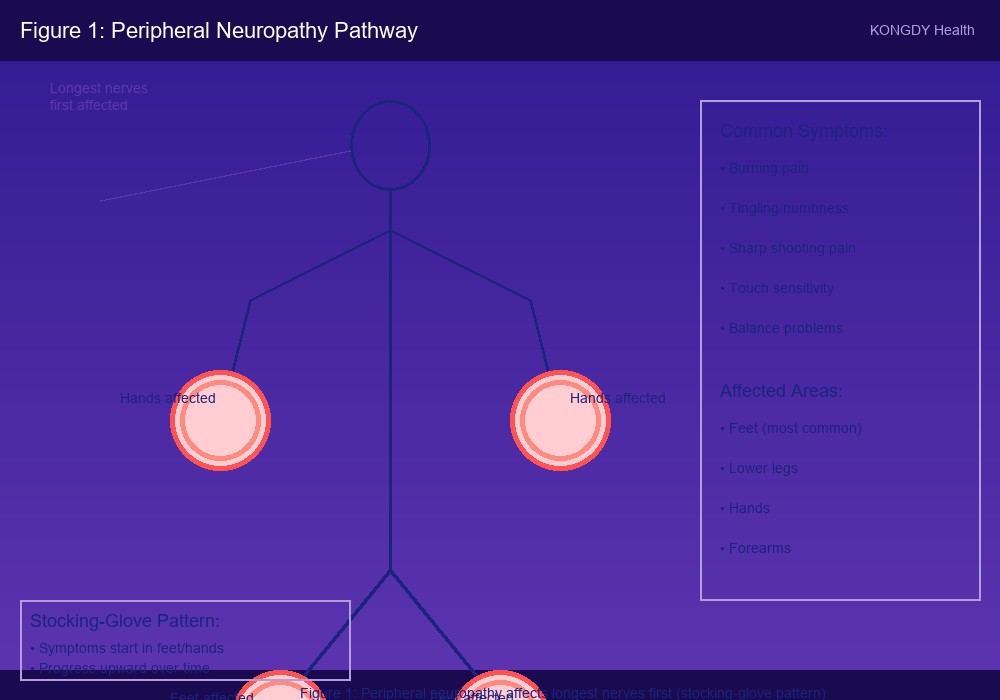
Tingling/numbness — Stocking-glove distribution
Touch sensitivity — Allodynia
Balance problems — From foot numbness
Figure 1: Peripheral neuropathy commonly affects the longest nerves first, producing symptoms in a stocking-glove distribution in hands and feet.
Causes and Risk Factors
Primary Causes
Diabetes — Leading cause (60-70% of diabetics affected)
Viral infections — Shingles, HIV, hepatitis C
Autoimmune diseases — RA, lupus, Guillain-Barré
Vitamin deficiencies — Especially B12, B6, E
Medications — Chemotherapy, some antibiotics
Trauma — Accidents, surgery, repetitive stress
Alcohol abuse — Direct nerve toxicity
Risk Factors
Diabetes — Most significant
Age over 40 — Risk increases with age
Family history — Genetic predisposition
Obesity — Adds metabolic stress
Smoking — Reduces blood flow to nerves
Kidney disease — Toxin accumulation
How Pain Patches Help Neuropathy
Mechanism of Action
Direct nerve numbing — Lidocaine blocks sodium channels
Substance P depletion — Capsicum reduces pain signals
Counter-irritation — Menthol distracts from nerve pain
Local anti-inflammatory — Diclofenac reduces nerve inflammation
Lidocaine patches (4-5%) are the gold standard for neuropathic pain. They provide 12 hours of localized numbing by blocking sodium channels in damaged nerves. For long-term management, capsicum patches reduce substance P over time. Choose based on pain severity and chronicity.
2. Where should I apply a pain patch for neuropathy?
Apply patches along the affected nerve pathway in areas with preserved sensation. For diabetic neuropathy, common sites include tops of feet, lower legs, and hands. Avoid completely numb skin where you cannot feel the patch or its effects.
3. How long should I use pain patches for neuropathy?
Pain patches can be used long-term for chronic neuropathy. Most patients use them daily for ongoing symptom management. Work with your healthcare provider to determine the optimal duration and frequency for your specific condition.
4. Can pain patches cure neuropathy?
Pain patches do not cure neuropathy but effectively manage symptoms. They are best used as part of a comprehensive approach that treats the underlying cause (diabetes, vitamin deficiency, etc.) and combines with oral medications and lifestyle changes.
5. Are pain patches safe with other neuropathy medications?
Topical pain patches have minimal systemic absorption and few drug interactions. They are generally safe alongside gabapentin, pregabalin, duloxetine, and other neuropathy medications. Always inform your healthcare provider about all treatments.
6. Can I use pain patches with oral diabetes medications?
Yes, topical pain patches do not interact with oral diabetes medications. They can be safely combined with metformin, insulin, and other diabetes drugs. Combining with good blood sugar control gives the best neuropathy outcomes.
7. When should I see a doctor for neuropathy?
See a doctor for new or worsening neuropathy symptoms, especially if you have diabetes, notice muscle weakness, develop foot ulcers, or experience autonomic symptoms (blood pressure changes, digestive issues, bladder problems). Sudden onset also warrants prompt evaluation.
8. Can pain patches be used during pregnancy for neuropathy?
Lidocaine patches are generally considered safe during pregnancy, but always consult your obstetrician. Capsicum and menthol patches have less safety data in pregnancy. Avoid diclofenac patches in the third trimester. Work with your healthcare provider.
9. How do I know if my pain patch is working?
You should notice reduced burning, tingling, or shooting pain within 30-60 minutes of application. Relief typically lasts 8-12 hours depending on the patch type. If you notice no improvement after several applications, consult your healthcare provider about alternatives.
10. What is the difference between lidocaine and capsicum patches for neuropathy?
Lidocaine patches provide immediate numbing by blocking nerve signals—they work within an hour. Capsicum patches work by depleting substance P over time, taking 2-4 weeks for full effect but offering long-term relief. Many patients use lidocaine for acute flares and capsicum for daily management.
Quick Reference: Pain Patch Selection for Neuropathy
Your Situation
Recommended Patch
Why
Severe, sudden nerve pain
Lidocaine 5%
Strong, immediate numbing for acute flares
Chronic daily neuropathy
Capsicum 0.075%
Long-term substance P reduction
Mild tingling discomfort
Menthol 5-10%
Cooling comfort with minimal medication
Diabetic neuropathy with inflammation
Diclofenac 1%
Topical anti-inflammatory action
Sensitive skin, elderly
Herbal patch
Gentle, fewer drug interactions
Postherpetic neuralgia
Lidocaine 5% Rx
FDA-approved for PHN specifically
Carpal tunnel-related nerve pain
Lidocaine 4% OTC
Direct wrist application effective
About KONGDY
KONGDY Health has 36 years of experience in transdermal patch manufacturing, with specialized formulations for neuropathic pain conditions including diabetic neuropathy, postherpetic neuralgia, and nerve compression syndromes.