The global demand for weight management solutions has positioned transdermal slimming patches as a popular, non-invasive option. For businesses looking to enter this growing market, two primary paths exist: Custom transdermal slimming patches and Private Label transdermal slimming patches. While both offer valuable opportunities, the main difference lies in how much control a business has over formulation, branding, and speed to market.
The global demand for weight management solutions has positioned transdermal slimming patches as a popular, non-invasive option. For businesses looking to enter this growing market, two primary paths exist: Custom transdermal slimming patches and Private Label transdermal slimming patches. While both offer valuable opportunities, the main difference lies in how much control a business has over formulation, branding, and speed to market.
Understanding this difference is essential for startups and established companies working with a transdermal slimming patches Manufacturer, transdermal slimming patches OEM, or a reliable transdermal slimming patches Supplier.
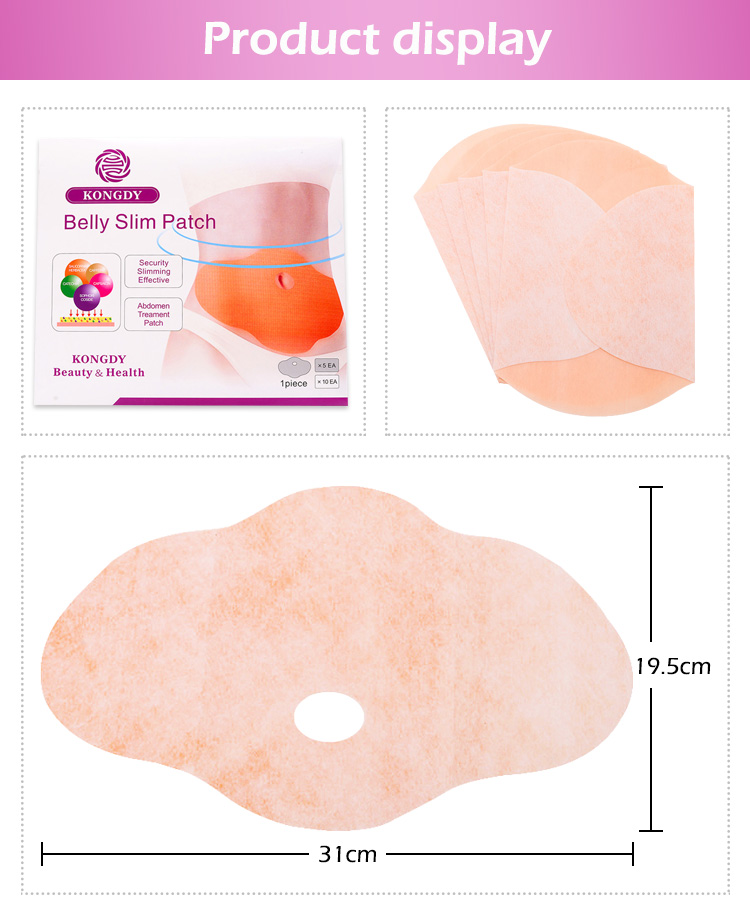
1. Private Label Transdermal Slimming Patches: Fast and Cost-Effective
Private Label transdermal slimming patches are pre-formulated products developed by a transdermal slimming patches Manufacturer. Businesses simply add their branding, packaging, and marketing identity.
Key Features:
-
Speed to Market: Since the formula is already developed, Private Label solutions allow companies to launch products quickly.
-
Lower Investment: No R&D is required, making it cost-effective for startups.
-
Proven Formulas: Businesses benefit from tried-and-tested slimming patch solutions.
Private Label is the best option for brands looking to test the market quickly with minimal financial risk.
2. Custom Transdermal Slimming Patches: Unique and Differentiated
Custom transdermal slimming patches are designed from scratch in collaboration with a transdermal slimming patches OEM partner. Businesses can dictate the formula, ingredients, dosage, patch size, and even advanced packaging.
Key Features:
-
Full Control: Ideal for companies aiming to stand out with unique formulations.
-
Brand Differentiation: Custom patches can target specific demographics or wellness needs.
-
Higher Investment: R&D, testing, and compliance checks increase costs and timelines.
This option is best for brands with a long-term strategy that want exclusive products and stronger market positioning.
3. The Core Difference
The main difference between the two lies in ownership of product development.
4. Choosing Between the Two
Your decision depends on business goals:
-
Startups with limited budgets → Private Label transdermal slimming patches.
-
Established brands seeking exclusivity → Custom transdermal slimming patches.
-
Long-term ROI focus → Collaborate with a transdermal slimming patches Supplier that can provide both models for scalability.
Related Questions & Answers
Q1: Can I start with Private Label and later move to Custom patches?
Yes. Many businesses test the market with Private Label before investing in Custom development.
Q2: How does a transdermal slimming patches Manufacturer support Private Label projects?
They provide ready-made formulas, packaging options, and branding support for quick launches.
Q3: Are Custom transdermal slimming patches riskier?
They require more investment and testing, but they also offer higher differentiation and brand loyalty.
Q4: What role does a Supplier play in this decision?
A transdermal slimming patches Supplier ensures smooth sourcing, compliance, and production scalability for either option.

