In the fast-growing healthcare and wellness market, fever cooling patches have emerged as a convenient, non-invasive solution for reducing body temperature and offering comfort during fevers. For brands aiming to enter or expand in this niche, partnering with a reputable fever cooling patch OEM is crucial. However, choosing the right manufacturer isn’t just about cost and turnaround time — certification and compliance are equally vital.
In the fast-growing healthcare and wellness market, fever cooling patches have emerged as a convenient, non-invasive solution for reducing body temperature and offering comfort during fevers. For brands aiming to enter or expand in this niche, partnering with a reputable fever cooling patch OEM is crucial. However, choosing the right manufacturer isn’t just about cost and turnaround time — certification and compliance are equally vital.
In this comprehensive guide, we will explore what certifications a fever cooling patch OEM should have, why these certifications matter, and how they can influence your business’s reputation, legal standing, and product performance. Whether you're looking for a Custom fever cooling patch, a Private Label fever cooling patch, or a reliable fever cooling patch Manufacturer, this guide will help you evaluate potential partners more effectively.
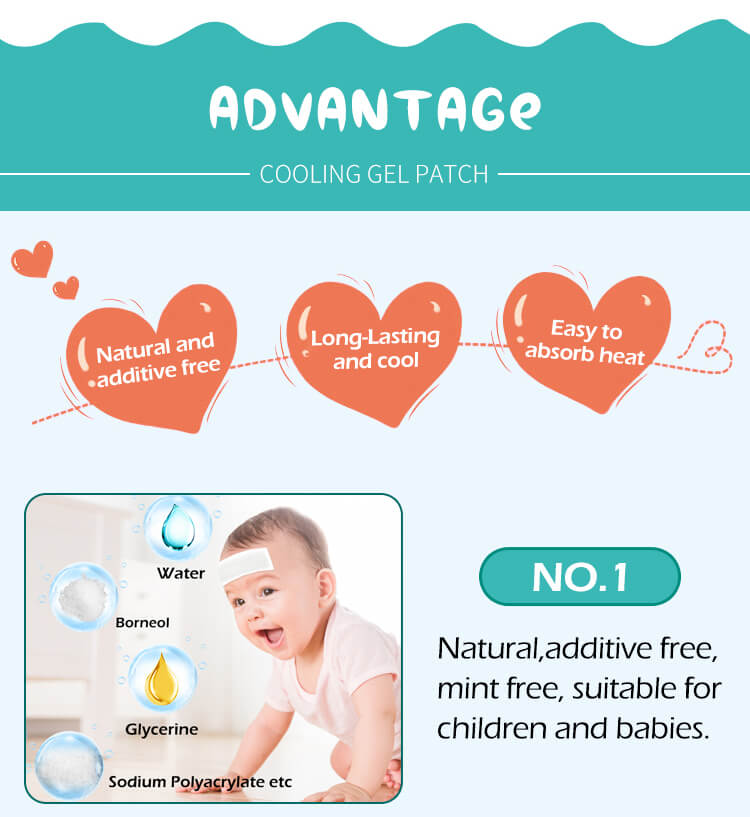
Why Certifications Matter in the Fever Cooling Patch OEM Industry
Certifications are more than just paperwork — they serve as a guarantee of product safety, quality, and regulatory compliance. With increasing scrutiny from health regulators and more informed consumers, ensuring your fever cooling patch Supplier meets global standards is a business necessity, not an option.
Key reasons certifications matter:
-
✅ Consumer safety and health assurance
-
✅ Legal compliance in domestic and international markets
-
✅ Trust-building with retailers and distributors
-
✅ Better brand reputation
-
✅ Eligibility for insurance reimbursements or institutional purchases
Core Certifications Every Fever Cooling Patch OEM Should Have
Below are the essential certifications that any reputable fever cooling patch OEM must possess. These certifications prove that the manufacturing process meets regulatory, safety, and quality standards — both in their home country and in target export markets.
1. ISO 13485: Quality Management System for Medical Devices
What it is:
An international standard that specifies requirements for a quality management system (QMS) specific to medical devices.
Why it matters:
This is a non-negotiable certification if you want your fever cooling patch Manufacturer to be taken seriously. ISO 13485 ensures that the company has systematic control over design, development, production, and delivery.
Applicable for:
All Private Label fever cooling patch and Custom fever cooling patch projects where consistency and safety are critical.
2. ISO 9001: General Quality Management System
What it is:
A broader QMS standard applicable across industries.
Why it matters:
While ISO 9001 is not specific to medical devices, it proves the OEM has a commitment to quality and continuous improvement, an important secondary layer on top of ISO 13485.
Applicable for:
Brands working with fever cooling patch OEM suppliers who also manufacture non-medical personal care products.
3. CE Marking (for European Union Market)
What it is:
A legal requirement for products sold in the EU, showing compliance with EU directives and regulations.
Why it matters:
Without the CE mark, fever cooling patch products cannot be sold in the European Economic Area (EEA). It verifies that the product meets essential safety, health, and environmental requirements.
Applicable for:
Any fever cooling patch Manufacturer exporting to Europe.
4. FDA Registration (for the United States Market)
What it is:
The U.S. Food and Drug Administration requires that manufacturers of medical devices register their facility and possibly list their products.
Why it matters:
An FDA-registered fever cooling patch OEM can manufacture products legally for the U.S. market. Depending on classification, your product may also need 510(k) clearance.
Applicable for:
Custom fever cooling patch projects intended for sale in the United States.
5. GMP (Good Manufacturing Practice) Compliance
What it is:
Guidelines provided by regulatory agencies (e.g., FDA, EU, WHO) to ensure products are consistently produced and controlled.
Why it matters:
GMP certification ensures the fever cooling patch OEM maintains a clean, safe, and controlled production environment.
Applicable for:
All markets, particularly where government and institutional buyers demand GMP-certified products.
6. Medical Device License or Production Certificate (Local Requirements)
What it is:
A country-specific regulatory license that allows the OEM to manufacture medical products like fever cooling patches.
Why it matters:
Countries like China, Japan, and India require this type of license. It shows the fever cooling patch Supplier has passed inspections and complies with national health product regulations.
Applicable for:
Local and export-focused production facilities.
7. MSDS (Material Safety Data Sheet)
What it is:
A document that outlines the properties of each ingredient used in the fever cooling patch — including safety, handling, and emergency measures.
Why it matters:
MSDS is essential for Custom fever cooling patch formulations, especially when shipping internationally or working with sensitive ingredients.
Applicable for:
Brands looking to sell in bulk or through regulated marketplaces.
Additional Certifications That Add Competitive Value
While not mandatory, these certifications and test reports add value and credibility to your fever cooling patch offering:
| Certification/Test |
Benefit to Your Brand |
| Dermatological Testing |
Shows product is safe for skin use |
| Biocompatibility Testing |
Ensures non-toxicity and hypoallergenicity |
| SGS or TUV Certification |
Third-party verification of product claims |
| Halal / Vegan Certification |
Access to niche markets with specific consumer needs |
| ISO 14001 |
Demonstrates environmental management compliance |
How to Verify an OEM’s Certification Claims
Don’t just take a supplier’s word for it. Here’s how you can verify their claims:
-
Request digital copies of certificates with valid issue and expiration dates.
-
Check certification bodies’ databases, such as TÜV, SGS, or FDA databases.
-
Verify audit reports and request a virtual or on-site audit if your order size justifies it.
-
Look for inconsistencies in documentation (e.g., wrong company name or mismatched product scope).
A truly reliable fever cooling patch OEM will be transparent and cooperative during this process.
Conclusion: Certifications Reflect Trust, Compliance, and Market Readiness
Choosing a fever cooling patch Manufacturer without the right certifications is a risk to your brand, your customers, and your business’s long-term viability. From ISO 13485 and CE marking to FDA registration and GMP compliance, certifications provide an objective benchmark for safety and quality.
Whether you're launching a Private Label fever cooling patch or scaling up your Custom fever cooling patch product line, partnering with a fully certified fever cooling patch Supplier helps you build trust, open up new markets, and safeguard your brand’s reputation.
Related Questions and Answers
1. What is the most important certification for a fever cooling patch OEM?
Answer: ISO 13485 is the most critical, as it ensures medical-grade quality management.
2. Can I sell my fever cooling patch in the EU without CE marking?
Answer: No, CE marking is legally required for sale in the European Economic Area.
3. Is FDA registration mandatory for selling in the U.S.?
Answer: Yes, if your product is classified as a medical device, FDA registration is required.
4. Are GMP and ISO 13485 the same?
Answer: No, but they are complementary. GMP focuses on production conditions, while ISO 13485 covers the entire quality management system.
5. What happens if my OEM doesn’t have the needed certifications?
Answer: Your product may be banned, recalled, or rejected by retailers and regulators.
6. Can a Private Label fever cooling patch also meet FDA and CE requirements?
Answer: Yes, as long as it’s manufactured by a certified OEM and follows the proper registration route.

