In the rapidly growing market of women’s health and wellness, Menstrual Heat Therapy Pads have become a popular solution for managing period pain naturally. However, as demand increases, so does the scrutiny from regulators and consumers alike. For brands looking to launch or expand their product lines, understanding regulatory compliance is not optional—it’s essential.
In the rapidly growing market of women’s health and wellness, Menstrual Heat Therapy Pads have become a popular solution for managing period pain naturally. However, as demand increases, so does the scrutiny from regulators and consumers alike. For brands looking to launch or expand their product lines, understanding regulatory compliance is not optional—it’s essential.
Compliance ensures product safety, builds consumer trust, and protects brands from legal risks. Whether you are developing a Custom Menstrual Heat Therapy Pad, introducing a Private Label Menstrual Heat Therapy Pad, or working with a Menstrual Heat Therapy Pad OEM or Menstrual Heat Therapy Pad Manufacturer, knowing the global regulatory landscape is the foundation of responsible and successful business growth.
This article will provide a detailed and convincing discussion on what every brand should know about regulatory compliance for menstrual heat therapy pads, including standards, certifications, manufacturing practices, and quality management.
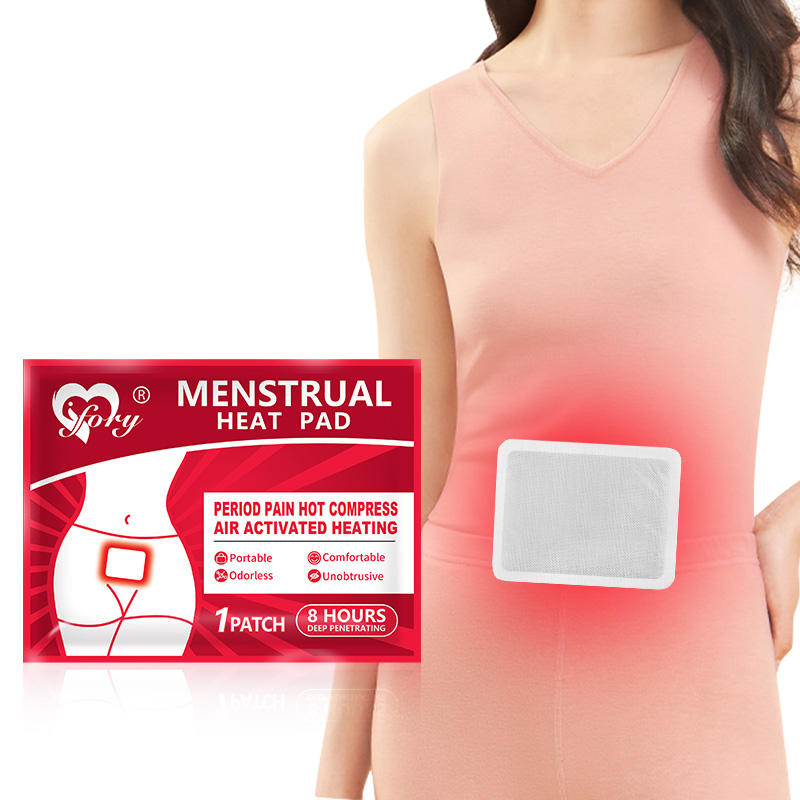
1. Why Regulatory Compliance Matters in Menstrual Heat Therapy Pads
Regulatory compliance is critical because these pads directly affect women’s health. They are often categorized as Class I or II medical devices, depending on their design, components, and therapeutic claims.
Non-compliance can result in:
By working with a Menstrual Heat Therapy Pad Manufacturer that adheres to international quality standards, brands can ensure that their products meet safety and performance requirements. Compliance not only protects consumers—it strengthens the brand’s credibility and market access.
2. Understanding How Menstrual Heat Therapy Pads Are Classified
Regulatory classification determines the level of scrutiny a product undergoes before entering the market. Menstrual Heat Therapy Pads may be considered medical devices if they make therapeutic claims such as “relieves menstrual cramps” or “provides pain relief.”
Depending on the region:
-
In the United States, the FDA classifies such pads as Class I medical devices (low risk) if they are non-invasive and use safe materials.
-
In the European Union, they are regulated under MDR (Medical Device Regulation 2017/745) and often fall under Class IIa if they have direct contact with the body for therapeutic use.
-
In Asia-Pacific markets like China, Japan, and South Korea, they are also categorized as medical or quasi-medical products, requiring local registration and testing.
Partnering with a Menstrual Heat Therapy Pad OEM that understands these classifications ensures your product meets specific regulatory pathways for each target market.
3. Key Certifications Required for Global Market Access
Certifications serve as proof that a Menstrual Heat Therapy Pad Manufacturer complies with international standards of safety, quality, and performance. Common certifications include:
-
ISO 13485: Specifies requirements for a comprehensive quality management system for medical devices.
-
ISO 9001: General quality management certification.
-
CE Marking (Europe): Demonstrates compliance with EU MDR standards, required for selling in the European Economic Area.
-
FDA Registration (USA): Mandatory for medical devices marketed in the U.S.
-
RoHS and REACH (EU): Ensure that no harmful substances are present in the materials used.
-
MSDS (Material Safety Data Sheet): Provides safety information for components like iron powder or heating agents.
-
OEKO-TEX® Certification: Verifies that fabrics and adhesives are safe for skin contact.
A professional Menstrual Heat Therapy Pad Supplier will typically maintain these certifications to assure clients of global compliance.
4. Material Safety and Testing Requirements
One of the most critical components of compliance is material safety. The ingredients and fabrics used in Menstrual Heat Therapy Pads must be tested to ensure they are safe for prolonged skin contact and do not cause irritation or allergic reactions.
Essential testing includes:
-
Biocompatibility testing (ISO 10993): Ensures materials are non-toxic and hypoallergenic.
-
Thermal safety testing: Evaluates temperature stability and prevents overheating risks.
-
Chemical analysis: Detects the presence of heavy metals, volatile organic compounds (VOCs), and other harmful residues.
-
Durability testing: Confirms the pad maintains consistent heat output over the intended duration.
Working with an experienced Menstrual Heat Therapy Pad Manufacturer guarantees that your product undergoes strict quality inspection and third-party validation.
5. Labeling and Packaging Regulations
Product labeling is another major aspect of compliance. Incorrect or misleading labeling can lead to severe penalties.
Regulatory agencies require labels to include:
-
Product name and intended use
-
Instructions for use and safety warnings
-
Manufacturer’s name and contact details
-
Country of origin
-
Certification marks (e.g., CE, FDA registration number)
-
Batch number and expiration date
For Private Label Menstrual Heat Therapy Pads, the labeling must still meet the same regulatory standards, even if produced by an OEM. The brand owner remains legally responsible for ensuring the packaging and claims comply with regional laws.
6. Quality Management Systems (QMS) and Good Manufacturing Practices (GMP)
A compliant Menstrual Heat Therapy Pad OEM must operate under strict Good Manufacturing Practices (GMP) and maintain a Quality Management System (QMS) that guarantees consistency and traceability.
Key elements include:
-
Controlled production environments to avoid contamination
-
Documented quality control procedures
-
Regular internal audits
-
Calibration of testing equipment
-
Continuous staff training on compliance standards
These systems ensure that every Custom Menstrual Heat Therapy Pad meets both safety and performance expectations before it reaches the market.
7. Regulatory Requirements for Private Label Menstrual Heat Therapy Pads
Many brands prefer Private Label Menstrual Heat Therapy Pads to save time and development costs. However, even if the manufacturer holds the necessary certifications, the brand owner must still ensure compliance for their specific market.
This involves:
-
Registering the product with the appropriate regulatory authority (e.g., FDA, EU MDR database).
-
Maintaining traceability documentation for audits.
-
Verifying that the Menstrual Heat Therapy Pad Supplier provides up-to-date certification and product testing reports.
Collaborating with a Menstrual Heat Therapy Pad OEM that offers regulatory support can streamline this process, ensuring fast and compliant market entry.
8. Regional Regulatory Differences: A Global Overview
Each market has unique compliance standards:
United States:
-
FDA registration and establishment listing required.
-
Compliance with 21 CFR Part 820 (Quality System Regulation).
-
Labeling in English with clear usage instructions.
European Union:
-
CE marking under MDR 2017/745.
-
Clinical evaluation reports may be required for new formulations.
-
Multilingual labeling for EU countries.
Asia-Pacific (China, Japan, Korea):
-
Registration with local health authorities.
-
Clinical data and sample testing often required.
-
Local representation may be mandatory for foreign brands.
A global Menstrual Heat Therapy Pad Supplier can provide guidance for multi-country compliance and documentation translation support.
9. Common Compliance Challenges and How to Overcome Them
Brands often face challenges such as:
-
Confusion about device classification.
-
Long approval times for certain markets.
-
Costly certification renewals.
-
Rapidly changing regulations.
To overcome these, brands should:
-
Choose an experienced Menstrual Heat Therapy Pad OEM that stays updated with evolving standards.
-
Maintain open communication with regulatory consultants.
-
Implement a proactive quality management plan.
-
Invest in sustainable materials that comply with both health and environmental standards.
Compliance is not just about passing inspections—it’s about building a foundation of trust and responsibility.
10. Benefits of Partnering with a Compliant Menstrual Heat Therapy Pad Manufacturer
A reliable Menstrual Heat Therapy Pad Manufacturer does more than produce your pads—they ensure your brand’s long-term success. The benefits include:
-
Guaranteed product safety and reliability.
-
Easier global market entry.
-
Reduced legal and financial risks.
-
Enhanced brand reputation and consumer confidence.
When developing a Custom Menstrual Heat Therapy Pad, collaborating with a manufacturer that already meets ISO, CE, and FDA standards can save significant time and cost in certification.
11. Future Trends in Menstrual Heat Therapy Pad Regulation
Regulatory bodies are tightening control as new technologies enter the market. Future trends include:
-
Digital compliance tracking: Cloud-based documentation for faster audits.
-
Eco-compliance standards: Regulations promoting biodegradable and non-toxic materials.
-
AI-assisted safety testing: Using data models to predict performance risks.
Forward-thinking Menstrual Heat Therapy Pad OEMs are already adapting to these trends, helping brands stay ahead of the curve.
Conclusion
Regulatory compliance is not a barrier—it’s a competitive advantage. For brands entering or expanding in the menstrual wellness market, aligning with an experienced Menstrual Heat Therapy Pad Manufacturer or Menstrual Heat Therapy Pad OEM ensures both safety and success.
By prioritizing quality certifications, material safety, accurate labeling, and ethical manufacturing, your brand builds consumer trust while meeting global standards.
Whether you choose Custom Menstrual Heat Therapy Pads or Private Label Menstrual Heat Therapy Pads, compliance is your passport to long-term credibility and growth in the international market.
Related Questions and Answers
1. Are Menstrual Heat Therapy Pads considered medical devices?
Yes, most are classified as Class I or II medical devices depending on their therapeutic claims and design.
2. What certifications should my Menstrual Heat Therapy Pad Manufacturer have?
Look for ISO 13485, CE Marking, FDA registration, and OEKO-TEX® certification for safety and quality assurance.
3. Can a Private Label Menstrual Heat Therapy Pad be compliant?
Yes, if the OEM or supplier provides documentation and certifications that meet regulatory requirements in your market.
4. What testing is required before launching a new Menstrual Heat Therapy Pad?
Thermal safety, biocompatibility, and chemical safety testing are essential to ensure consumer safety.
5. How can I ensure global compliance for my Custom Menstrual Heat Therapy Pad?
Partner with a Menstrual Heat Therapy Pad OEM experienced in international certification processes and quality management systems.

