In the booming transdermal patch industry, especially for natural pain relief solutions like capsicum heat plasters, certification verification is not just a regulatory requirement—it’s a critical business safeguard.
In the booming transdermal patch industry, especially for natural pain relief solutions like capsicum heat plasters, certification verification is not just a regulatory requirement—it’s a critical business safeguard. Whether you are sourcing from a Capsicum Heat Plaster Manufacturer, planning to launch your Private Label Capsicum Heat Plaster, or seeking a Capsicum Heat Plaster OEM partner, certification verification ensures your product is safe, compliant, and globally marketable.
This guide will walk you through how to verify a Capsicum Heat Plaster Manufacturer’s certifications and why this process matters. The information here is especially useful for businesses looking to develop Custom Capsicum Heat Plaster products or enter the market with confidence.
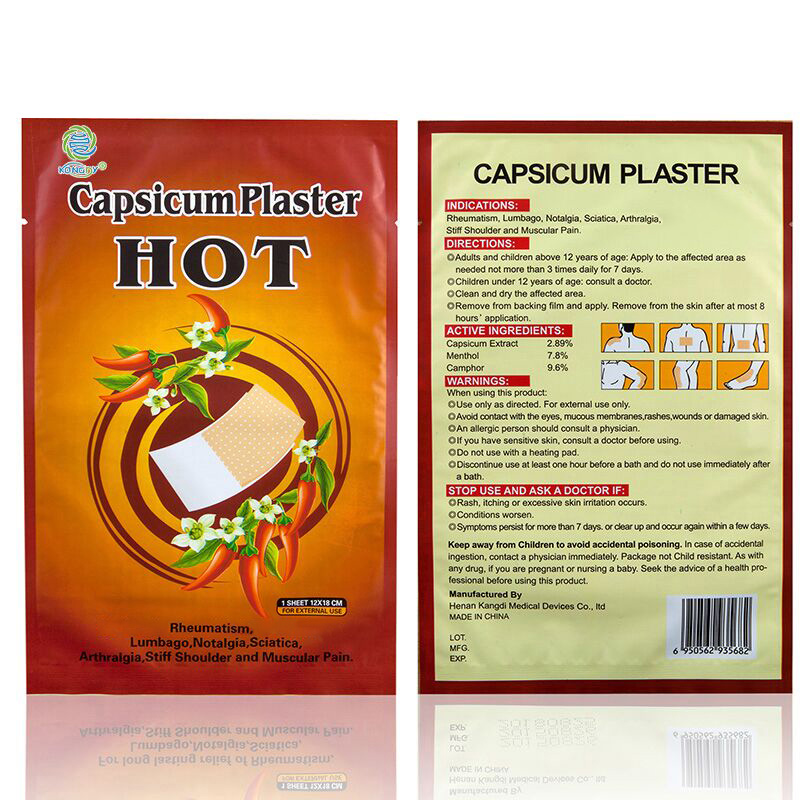
Why Certifications Matter in the Capsicum Heat Plaster Industry
Before diving into verification steps, it's essential to understand why certifications matter:
-
Regulatory Compliance
Many countries require specific certifications (e.g., ISO 13485, CE, FDA) for medical products. Without them, your product could be banned or recalled.
-
Consumer Trust
Certifications demonstrate your commitment to quality, safety, and transparency, key factors in building a reputable Private Label Capsicum Heat Plaster brand.
-
Market Access
Certified products face fewer import/export hurdles, particularly in stringent markets like the EU, USA, and Japan.
-
Competitive Edge
Working with a certified Capsicum Heat Plaster Supplier sets your product apart in a saturated market, especially as more buyers demand traceable and ethical manufacturing.
Step-by-Step: How to Verify a Capsicum Heat Plaster Manufacturer’s Certifications
1. Request Certification Copies
Always begin by asking the manufacturer directly for copies of their certifications. These commonly include:
-
ISO 13485 (Quality Management System for Medical Devices)
-
GMP (Good Manufacturing Practice)
-
CE Marking (required for sales in Europe)
-
FDA Registration (required for the U.S. market)
-
MSDS (Material Safety Data Sheets)
-
Free Sale Certificates or Product Safety Reports
Ensure the name on the certificate matches the manufacturer’s company name. Beware of certificates in another company's name—this is a red flag.
2. Check the Validity of the Certificates
Many fake or outdated certificates circulate in the market. Here's how to check if they are real:
3. Evaluate the Certification Body
Not all certificates are equal. If a Capsicum Heat Plaster Manufacturer presents an unknown certification, do a background check on the certification body. Look for:
-
Accreditation by IAF (International Accreditation Forum).
-
Global recognition (like TÜV SÜD, SGS, BSI).
-
Presence in official registries like NANDO, FDA, or national health authorities.
4. Perform On-site Audits or Hire Third-Party Inspectors
If you are serious about building a Custom Capsicum Heat Plaster product line, consider:
-
On-site factory visits to audit their facilities and processes.
-
Hiring third-party quality control firms (like Intertek, SGS, TÜV) to validate compliance.
These steps not only validate certifications but also give you a clearer picture of their actual manufacturing capacity and hygiene practices.
5. Review the Manufacturer’s Track Record
Work only with experienced and transparent Capsicum Heat Plaster OEM partners who can demonstrate:
-
Past cooperation with global brands.
-
Export history to regulated markets (EU, USA, etc.).
-
Consistent quality reviews and long-term clients.
6. Use Supplier Directories and Trade Platforms Wisely
Sites like Alibaba, Global Sources, and Made-in-China offer verification services and label verified suppliers. However, don’t rely solely on their badges—request documentation directly and verify independently.
The Role of Certifications in Private Label and Custom Projects
If you're launching a Private Label Capsicum Heat Plaster or developing a Custom Capsicum Heat Plaster, make sure your selected Capsicum Heat Plaster Supplier can support:
-
Certified packaging and labeling in compliance with target market regulations.
-
Ingredient traceability for sensitive regulatory markets.
-
Batch testing and quality inspection reports with each shipment.
What to Watch Out For
Beware of manufacturers that:
-
Refuse to provide certifications.
-
Provide expired or inconsistent documentation.
-
Claim certifications “are not needed” for OEM clients.
-
Cannot show third-party audits or client references.
In today's global market, non-compliance can cost your brand not just money, but trust and long-term viability.
Conclusion
Choosing the right Capsicum Heat Plaster Manufacturer is about more than just price—it's about trust, credibility, and long-term quality. Verifying certifications is your first line of defense against fraud, poor quality, and regulatory issues. When working with any Capsicum Heat Plaster OEM, especially for Custom or Private Label Capsicum Heat Plaster projects, insist on transparency and thorough validation.
With due diligence, your partnership with a reputable Capsicum Heat Plaster Supplier can set your business apart in the global health and wellness market.
Related Questions and Answers
Q1: What certifications should a Capsicum Heat Plaster Manufacturer have?
A1: ISO 13485, GMP, CE, and FDA registration are the most important for global compliance.
Q2: Can I sell a Private Label Capsicum Heat Plaster without certifications?
A2: Generally, no. You’ll need certifications from your supplier to meet import and health regulations.
Q3: Are certifications from Chinese manufacturers valid internationally?
A3: Yes, if issued by internationally recognized bodies and properly verified.
Q4: How often should I check a manufacturer’s certifications?
A4: At the beginning of each business relationship and at least annually afterward.
Q5: Can a Custom Capsicum Heat Plaster be certified under my brand?
A5: Yes, but you’ll need to partner with a certified OEM and may need to undergo additional product testing under your brand name.

