As the global market shifts toward sustainable and environmentally responsible products, fever cooling patch manufacturers are adapting their production processes to meet eco-conscious consumer expectations. For businesses aiming to develop a green product line, investing in eco-friendly fever cooling patch OEM solutions is no longer a luxury—it's a competitive necessity.
As the global market shifts toward sustainable and environmentally responsible products, fever cooling patch manufacturers are adapting their production processes to meet eco-conscious consumer expectations. For businesses aiming to develop a green product line, investing in eco-friendly fever cooling patch OEM solutions is no longer a luxury—it's a competitive necessity. In this article, we’ll explore cost-effective, sustainable, and brand-enhancing strategies to incorporate green principles into your custom fever cooling patch offerings.
Why Eco-Friendly OEM Solutions Matter
The demand for sustainable healthcare products has seen a significant increase, driven by both consumers and regulatory bodies. Parents, hospitals, and clinics are now more selective, choosing fever cooling patch suppliers that emphasize environmental impact, ingredient safety, and sustainable sourcing.
Key Reasons for Choosing Eco-Friendly Fever Cooling Patch OEM Options:
-
Brand Differentiation: A green product line can set your brand apart in a saturated market.
-
Consumer Trust: Eco-conscious consumers prefer brands that align with their values.
-
Regulatory Compliance: Meeting environmental standards helps avoid penalties and builds credibility.
-
Supply Chain Sustainability: Long-term cost savings from sustainable sourcing and reduced waste.
Green Manufacturing in Fever Cooling Patch OEM
Leading fever cooling patch manufacturers are integrating environmentally friendly practices at every stage of production. Here are key strategies for sustainable OEM manufacturing:
1. Biodegradable Patch Materials
Traditional cooling patches often use plastic-based backings that take centuries to degrade. Eco-friendly options include:
-
Plant-based or compostable film layers
-
Biodegradable non-woven fabric
-
Recycled backing materials
These materials reduce the patch's environmental footprint without compromising functionality or skin safety.
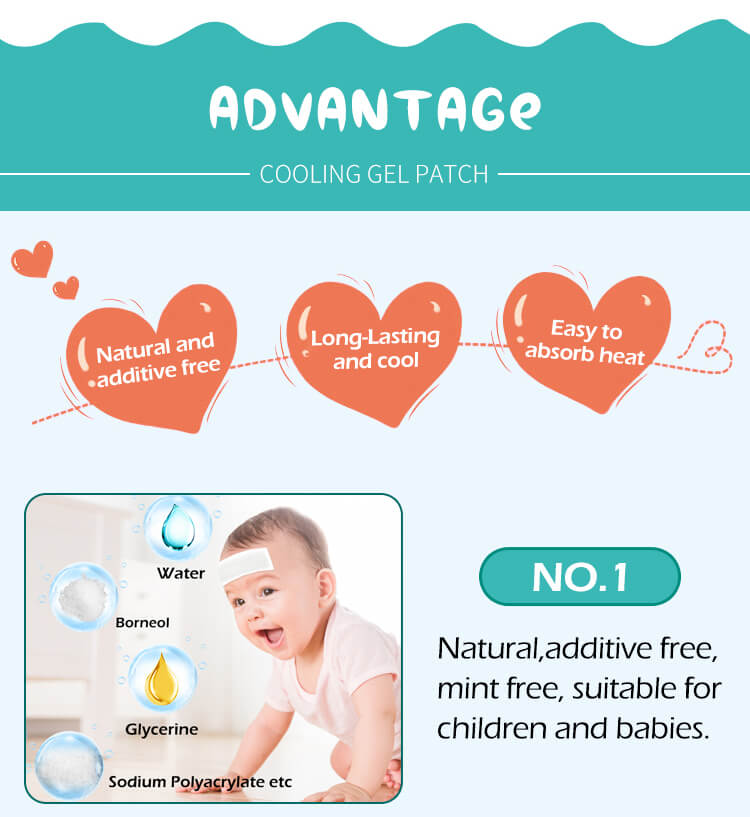
2. Natural and Safe Ingredients
Custom fever cooling patches can incorporate organic or naturally-derived ingredients such as:
-
Menthol from peppermint oil
-
Hydrogel formulations with aloe vera or green tea extract
-
No synthetic preservatives, dyes, or parabens
This not only appeals to health-conscious buyers but also aligns with “clean label” product trends.
3. Sustainable Packaging Solutions
Environmentally-friendly packaging is a key area where private label fever cooling patch brands can innovate:
-
Use of recyclable paper-based cartons
-
Minimalist packaging design to reduce material use
-
Soy-based or water-based inks for printing
4. Energy-Efficient Production Processes
Manufacturing facilities can be optimized for lower carbon emissions:
-
Solar or wind-powered production plants
-
Heat recovery systems and efficient water usage
-
ISO 14001 Environmental Management Systems certification
Partnering with an eco-conscious fever cooling patch OEM ensures alignment with these sustainability benchmarks.
Private Labeling with a Green Message
Eco-branding is a powerful tool. Private label fever cooling patch options allow companies to present sustainable messaging across packaging, labeling, and marketing collateral.
Key messaging ideas:
-
“Made from biodegradable materials”
-
“Naturally cooling, sustainably made”
-
“Plastic-free and safe for the planet”
A trustworthy fever cooling patch supplier should offer flexibility in design and branding that promotes these green benefits.
Long-Term Business Benefits of Going Green
Opting for eco-friendly fever cooling patch OEM solutions is not just a moral or environmental decision—it’s smart business. Here’s why:
-
Increased Shelf Appeal: Clean, green packaging and messaging attract attention.
-
Higher Customer Retention: Eco-values foster deeper brand loyalty.
-
Partnership Opportunities: Retailers and clinics increasingly prefer sustainable brands.
-
Future-Proofing: Prepares your business for future environmental regulations and market expectations.
How to Choose a Sustainable Fever Cooling Patch Manufacturer
Not every fever cooling patch supplier offers green options. Here’s what to look for:
-
Sustainability Certifications: ISO 14001, GMP, FSC-certified packaging
-
Transparency: Willingness to share raw material sources and production methods
-
Custom Eco-Friendly Options: Ability to tailor biodegradable patches and packaging
-
Low Minimum Order Quantities (MOQs) for eco-friendly runs
-
Experience with Private Labeling for green product lines
Choosing a proven fever cooling patch manufacturer who understands environmental goals will streamline your brand’s shift to sustainability.
Real-World Example: Custom Eco Patch Success
A European wellness brand partnered with a fever cooling patch OEM in Asia to produce a biodegradable cooling patch using plant-based hydrogel and plastic-free paper packaging. Within six months, they saw:
-
A 35% increase in customer engagement via social media
-
Faster onboarding to natural product retail platforms
-
Repeat orders from eco-conscious parents and healthcare clinics
Their success underscores the power of combining custom fever cooling patch formulations with an authentic green story.
Final Thoughts
Switching to eco-friendly fever cooling patch OEM solutions is more than a marketing gimmick—it's an investment in your brand's future. From biodegradable materials to responsible sourcing and clean manufacturing, sustainability offers benefits at every level of your supply chain.
Partnering with an experienced fever cooling patch manufacturer or fever cooling patch supplier who understands environmental trends will help your brand lead, not follow.
Related Questions and Answers
Q1: What materials are best for eco-friendly fever cooling patches?
A1: Plant-based hydrogels, biodegradable non-woven fabric, and compostable film are ideal choices.
Q2: Can I private label an eco-friendly fever cooling patch?
A2: Yes. Many fever cooling patch OEM providers offer private label options tailored to green branding.
Q3: Do sustainable materials affect patch performance?
A3: No. With advanced formulations, eco materials offer the same cooling effect and adhesion as conventional ones.
Q4: Are there certifications for green OEM production?
A4: Look for ISO 14001, GMP, and FSC packaging certifications when selecting a fever cooling patch manufacturer.
Q5: How can eco-friendly patches reduce my brand's carbon footprint?
A5: Through sustainable sourcing, energy-efficient manufacturing, and recyclable packaging, your overall emissions are significantly lowered.

