Capsaicin patches have gained widespread popularity as an effective natural remedy for localized pain relief. As a brand owner or retailer considering to work with a capsaicin patches manufacturer or through a capsaicin patches OEM, understanding the safety profile of these products is critical.
Capsaicin patches have gained widespread popularity as an effective natural remedy for localized pain relief. As a brand owner or retailer considering to work with a capsaicin patches manufacturer or through a capsaicin patches OEM, understanding the safety profile of these products is critical. Whether you are interested in custom capsaicin patches, private label capsaicin patches, or sourcing from a trusted capsaicin patches supplier, this comprehensive guide explains everything you need to know about the safety of capsaicin patches for consumers.
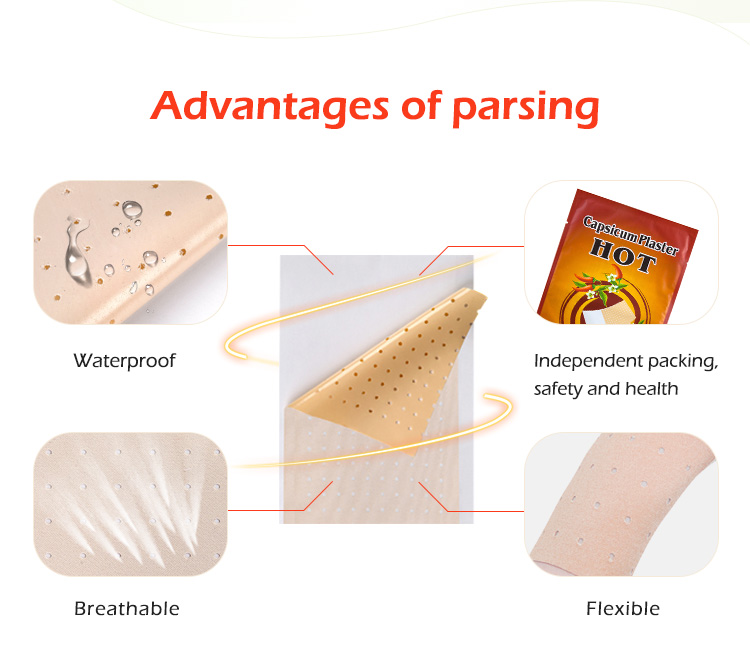
What Are Capsaicin Patches?
Capsaicin patches are transdermal pain relief products that deliver capsaicin—the active ingredient found in chili peppers—directly through the skin to the affected area. Capsaicin works by desensitizing pain receptors, thereby reducing the sensation of pain from conditions like arthritis, neuropathy, and muscle soreness.
Many consumers appreciate capsaicin patches because they offer targeted relief without the systemic side effects of oral painkillers. However, the question remains: Are capsaicin patches safe for consumers?
The Safety Profile of Capsaicin Patches
1. How Capsaicin Works and Its Safety Mechanism
Capsaicin works by binding to TRPV1 receptors on nerve endings, causing an initial burning sensation followed by desensitization. This effect interrupts pain signal transmission to the brain, providing relief.
The concentration of capsaicin in patches is typically low (often 0.025% to 0.1%) and formulated to minimize irritation while maximizing efficacy. This controlled release through the patch format ensures safety for most users when used as directed.
2. Common Side Effects and How They Are Managed
The most commonly reported side effect is mild skin irritation or burning at the patch application site. This usually subsides after a few minutes or days of regular use.
-
Redness and itching: Normal reactions that typically resolve without intervention.
-
Skin dryness or peeling: Occasional, manageable by moisturizing.
-
Rare allergic reactions: Extremely uncommon but possible in sensitive individuals.
A responsible capsaicin patches manufacturer or capsaicin patches OEM will ensure formulations minimize these side effects through appropriate concentration, hypoallergenic adhesives, and safe backing materials.
3. Who Should Avoid Capsaicin Patches?
Certain groups should consult healthcare providers before use:
-
People with sensitive skin or open wounds.
-
Pregnant or breastfeeding women (limited data available).
-
Individuals allergic to chili or related compounds.
A reputable capsaicin patches supplier includes clear usage guidelines and warnings on packaging to protect consumers.
Regulatory Oversight and Quality Control
1. Certifications and Compliance
Safety is heavily influenced by manufacturing standards. Trusted capsaicin patches manufacturers operate under:
-
Good Manufacturing Practices (GMP)
-
ISO certifications
-
Compliance with FDA regulations (where applicable)
-
CE marking for European markets
These certifications ensure rigorous quality control, consistent ingredient quality, and safe packaging.
2. Testing for Safety and Efficacy
Before commercial release, custom capsaicin patches and private label capsaicin patches undergo:
-
Stability testing to confirm ingredient potency over time.
-
Microbiological testing to ensure no contamination.
-
Skin irritation and sensitization testing (in vitro or clinical).
-
Heavy metals and toxicology screening.
Working with an experienced capsaicin patches OEM guarantees these testing protocols are followed, ensuring consumer safety.
The Role of Custom Formulations in Safety
Choosing a supplier capable of producing custom capsaicin patches allows tailoring the formula to balance efficacy with minimal irritation. For example:
-
Adjusting capsaicin concentration for sensitive skin.
-
Adding soothing herbal extracts like aloe vera or calendula.
-
Using medical-grade adhesives to reduce allergic reactions.
Customization adds a layer of safety by addressing specific consumer needs.
The Importance of Consumer Education
While the product itself is safe, proper usage determines the real-world safety outcomes. Responsible capsaicin patches suppliers ensure that:
-
Instructions for application and removal are clear.
-
Recommended wear time is communicated (usually 8-12 hours).
-
Warnings about washing hands after use and avoiding eye contact are provided.
This education reduces misuse and potential adverse reactions.
Summary: Are Capsaicin Patches Safe?
In summary, when produced by a reputable capsaicin patches manufacturer or capsaicin patches OEM and used according to directions, capsaicin patches are safe for the vast majority of consumers. The key factors that ensure safety include:
-
Quality manufacturing with GMP and regulatory compliance.
-
Proper formulation concentration and patch design.
-
Thorough product testing.
-
Clear consumer instructions and labeling.
-
Availability of custom capsaicin patches options for sensitive users.
Related Questions and Short Answers
1. Can capsaicin patches cause allergic reactions?
Allergic reactions are rare but possible; always check ingredient lists and test patches if sensitive.
2. Are private label capsaicin patches as safe as branded ones?
Yes, if produced by a certified capsaicin patches manufacturer following quality standards.
3. How should consumers use capsaicin patches safely?
Apply to clean, intact skin; avoid contact with eyes; adhere to recommended wear time.
4. Can children use capsaicin patches?
Generally, patches are recommended for adults; consult a doctor before use on children.
5. How do I ensure my capsaicin patches supplier meets safety standards?
Verify certifications (GMP, ISO, FDA), request test reports, and assess their quality control processes.
If you are seeking a trusted capsaicin patches supplier or considering developing custom capsaicin patches or private label capsaicin patches, prioritizing safety and regulatory compliance is essential. Partnering with an experienced capsaicin patches manufacturer or capsaicin patches OEM is your best step toward providing effective and safe pain relief products your customers can trust.

